Four things: your logo file, a photograph of the wall, the width available, and where the power is. With those we can quote properly rather than guess.
The photograph is the item people skip and the one that changes the recommendation most.
The checklist
1. Your logo, in the best file you have. Vector (AI, EPS, SVG or vector PDF) is ideal because it scales without loss. A large PNG works. A screenshot off your own website is usable but has to be redrawn first, which adds a round trip before anything else can happen.
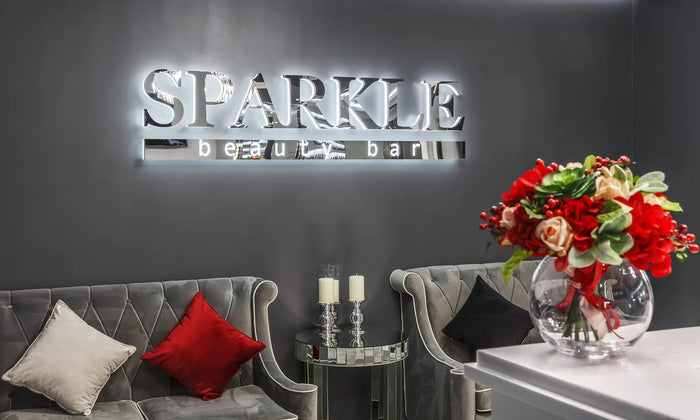
2. A photograph of the actual wall or fascia. Straight on, in daylight, showing the full width including what is either side of it. If you can add one at night, do; it shows us the existing lighting, which affects everything.
3. The dimensions you have to work with. The width of the fascia, and the height available. If there is a neighboring sign, a downpipe, a security shutter housing or a window head in the way, say so.
4. Where the power is, or whether there is any. This is the single most common cause of an unexpected complication at installation.
Genuinely helpful extras
- ✓ How far away you need it read from. Across a car park, from a dual carriageway, from the opposite pavement. This sets letter height.
- ✓ Your brand color reference, a Pantone or a hex value, not just a description.
- ✓ Whether you rent or own, and whether the landlord has to approve.
- ✓ Photographs of signs you like, even competitors'. Faster than any description.
- ✓ Your opening date, if there is one.
What you do not need
| You do not need | Because |
|---|---|
| To know which construction you want | That is what the recommendation is for |
| A tidied up or traced logo | Amateur traces are harder to work from than the original |
| Exact measurements to the millimeter | A close figure is enough to start |
| A survey | The photograph does most of that job at the enquiry stage |
Send the photograph even if you have nothing else. Half the enquiries we receive give us a logo and a width and no picture, and the reply is always a request for one, which costs everybody a day. A phone photo of the wall tells us more than a page of description.
Send your details for a storefront sign quote.
Frequently asked questions
What do you need to quote a storefront sign?
Your logo in the best file you have, a straight on daylight photograph of the wall or fascia, the width and height available, and where the power supply is. Those four cover most of it. Everything else can be settled in conversation.
What logo file format should I send?
A vector such as AI, EPS, SVG or vector PDF is ideal, because it scales to any size without loss. A large PNG is fine. A screenshot from a website can be used but has to be redrawn first, which adds a round trip. Send what you have rather than trying to convert it yourself.
Why do you need a photograph of the wall?
Because it decides which construction we would recommend. Halo lit letters need a smooth pale surface and largely fail on dark or textured walls, and a short fascia rules out certain letter heights. None of that is visible from dimensions alone.
Do I need to know which type of sign I want?
No. Choosing between front lit letters, halo letters, open face letters and a light box is what the recommendation is for. Tell us what the site is like and how far away it needs to be read from, and we will tell you what suits it.
Should I mention planning or landlord restrictions?
Yes, as early as possible. Conservation areas, listed buildings and shopfront design codes affect letter height, illumination and sometimes construction type. Handling that at the design stage is far easier than redesigning after a consent application comes back.
We have made neon since 1998, and we still make it ourselves. If something here does not answer your question, ask us.