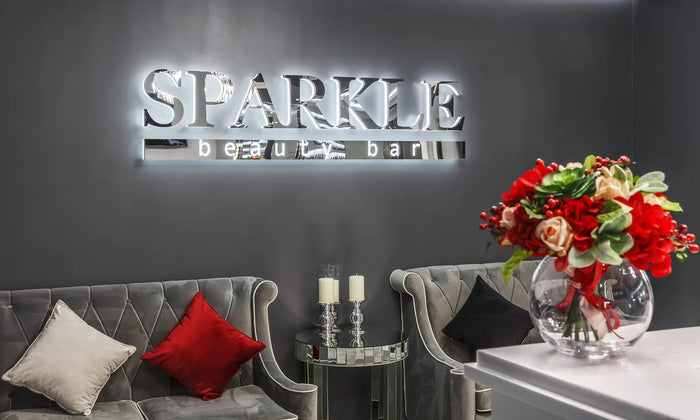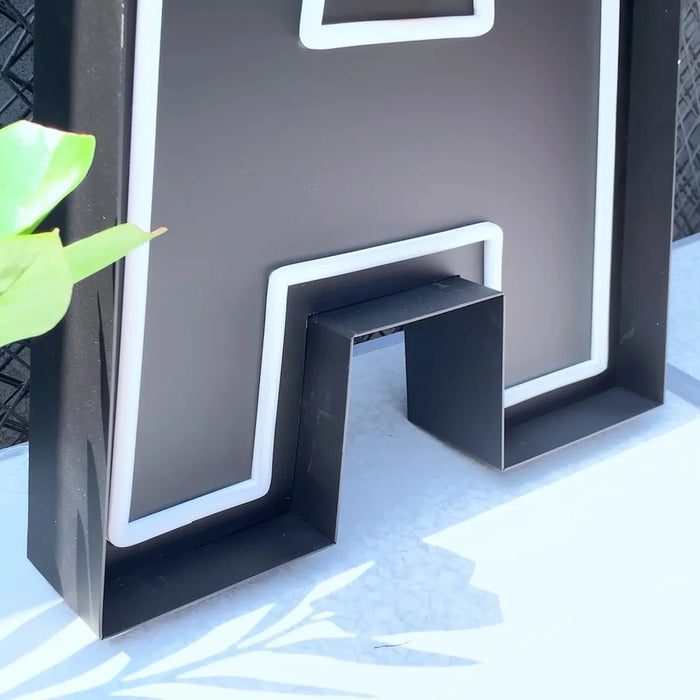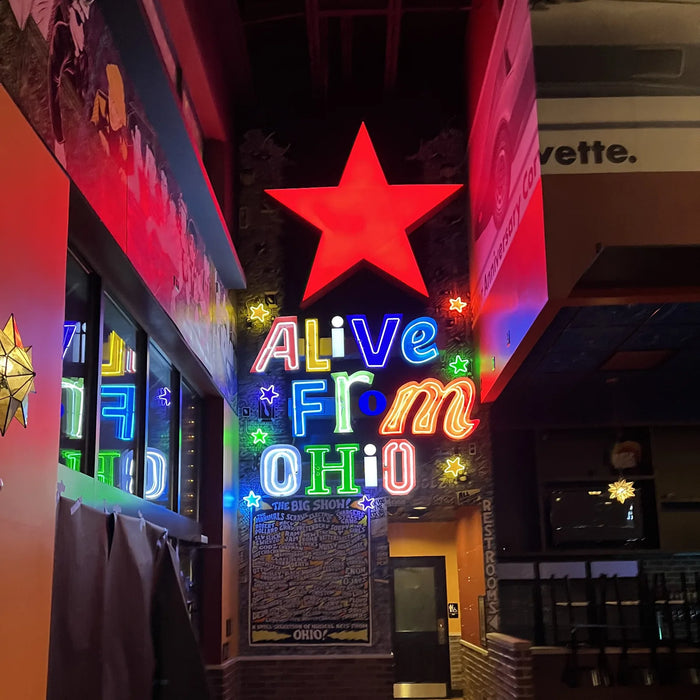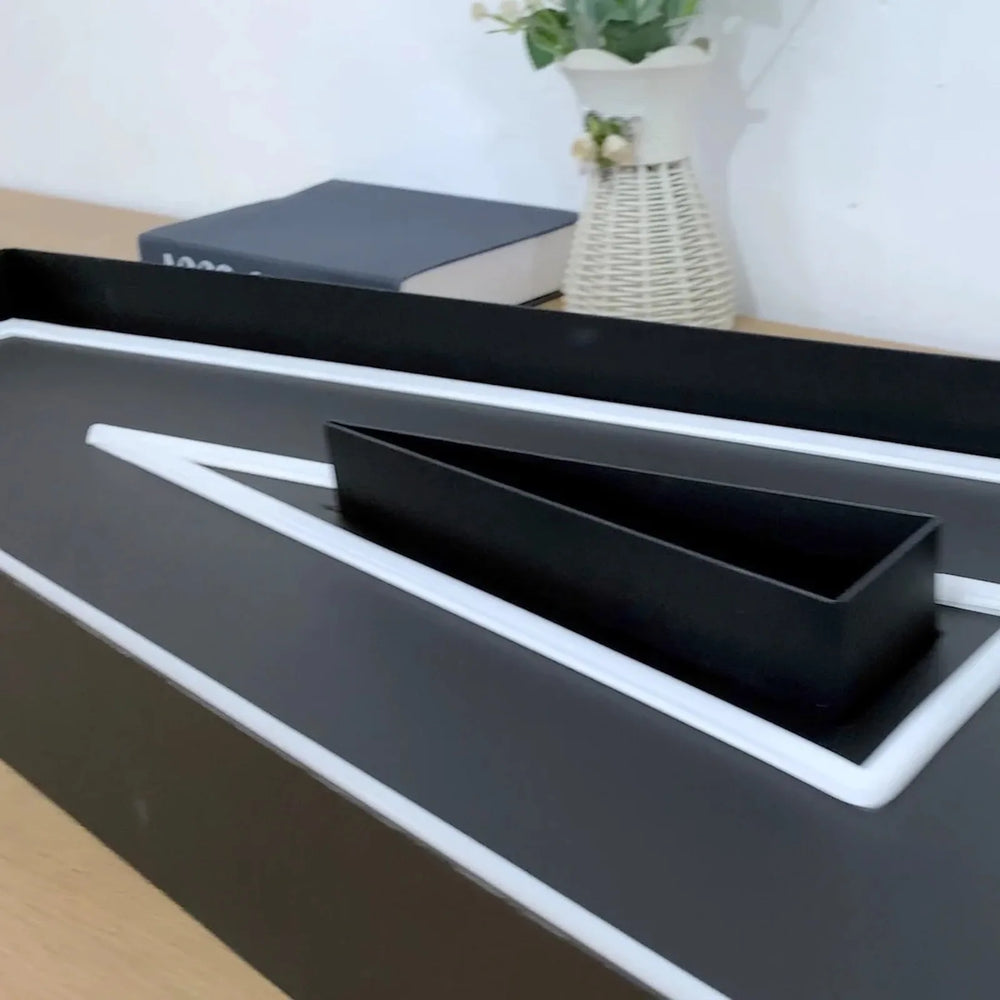
Aluminum for almost everything. Stainless steel for coastal sites and for halo lit letters where the bare metal is the finish.
Both last. The real decision is whether the metal is being seen or painted, and how aggressive the environment is.
Aluminum
The default for channel letters, and for good reason. It is light, which matters when letters are mounted high on a facade, it does not rust, and it takes paint and powder coat extremely well. Almost every front lit letter you have ever seen is a painted aluminum can.
Because it is being painted, the base metal's own appearance is irrelevant. What you are buying is a light, corrosion resistant, easily formed shell to hold the face and the LEDs.
Stainless steel
Heavier, harder to form, and more expensive to work. What it buys you is appearance and durability in hostile environments.
- ✓ Halo lit letters, where the face is the finish. Brushed or polished stainless is the look, and paint cannot imitate it.
- ✓ Coastal and marine sites. Salt air is where stainless earns its cost outright.
- ✓ Premium retail and hospitality, where the material itself is part of the message.
- ✓ Sites at risk of impact or interference, where the harder metal survives better.
| Aluminum | Stainless steel | |
|---|---|---|
| Weight | Light | Noticeably heavier |
| Finish | Painted or powder coated | Brushed, polished, or coated |
| Coastal performance | Adequate with good coating | Better |
| Typical use | Front lit letters, most sites | Halo letters, coastal, premium |
| Fixing load on the wall | Lower | Higher. Affects the fixing spec |
How to decide
Answer two questions and the choice usually makes itself.
Is the metal being seen? If the letter face is painted your brand color, the substrate is invisible and aluminum is the sensible answer. If you want brushed metal as the finish, that is stainless.
How harsh is the site? Inland high street, aluminum is fine. Within a mile or two of the sea, or exposed to industrial atmosphere, stainless is worth the difference.
Most people asking this question are really asking whether aluminum is a compromise, and it is not. It is the correct material for painted letters and it is what the overwhelming majority of good storefront signs are made from. Choose stainless when you want to see the metal, or when the sea is close enough to smell.
Frequently asked questions
Should channel letters be aluminum or stainless steel?
Aluminum for almost every site, because it is light, corrosion resistant and takes paint beautifully, and the substrate is invisible under a painted face. Stainless steel where the bare metal is the finish, typically on halo lit letters, and on coastal sites where salt air is aggressive.
Will aluminum letters rust?
Aluminum does not rust. It forms a thin protective oxide layer, which is why it survives outdoors for years. In salt air that protection is less reliable, which is the one environment where stainless steel is genuinely the better specification.
Is aluminum a cheaper compromise?
No, it is the correct material for painted letters and what most good storefront signs are made from. It is lighter, which reduces the fixing load on the facade, and easier to form into complex letterforms. Stainless is chosen for appearance or environment, not because aluminum falls short.
Which is better for halo lit letters?
Stainless steel, usually. On a halo letter the face is the finish rather than a painted panel, and brushed or polished stainless has a depth that paint cannot imitate. That is the clearest case for choosing it.
Does the material affect how the sign is fixed?
Yes. Stainless letters are noticeably heavier, which changes the fixing specification and matters more the higher the sign sits. Tell us the wall construction and the mounting height with your enquiry so the fixings are specified to suit.
We have made neon since 1998, and we still make it ourselves. If something here does not answer your question, ask us.